




A $9 top used to cross the Pacific in a plastic mailer and reach an American doorstep without a single dollar of import duty attached. That arrangement is over, and the two companies that leaned on it hardest are rebuilding around it.
The Loophole That Built the Business
For years, the de minimis rule let shipments valued under $800 enter the United States duty-free with minimal customs paperwork. It was designed to spare customs officers the trouble of processing trivial imports. Shein and Temu turned it into a business model, shipping individual orders straight from Chinese factories and consolidators to American shoppers, one parcel at a time.
The economics were simple. A conventional retailer imports goods in bulk, pays duties on the whole shipment, stores the inventory, and ships orders from a domestic warehouse. Each of those steps costs money. A direct-to-consumer parcel skipped nearly all of them, which meant Shein and Temu could price a garment or a phone case below what a US competitor paid just to land the product. The advantage did not come only from cheap factories. It came from where the cost sat in the supply chain, or more precisely, from where it didn’t.
That advantage began to erode in 2025. The administration closed the exemption for packages from China and Hong Kong in May, then extended the end of de minimis treatment to shipments from every country at the end of August. Tariffs on Chinese goods, which had been rising on their own, now applied to parcels that previously slid through untouched.
Overnight, the price logic that powered the model stopped working.
Why Warehouses Are Replacing Parcels
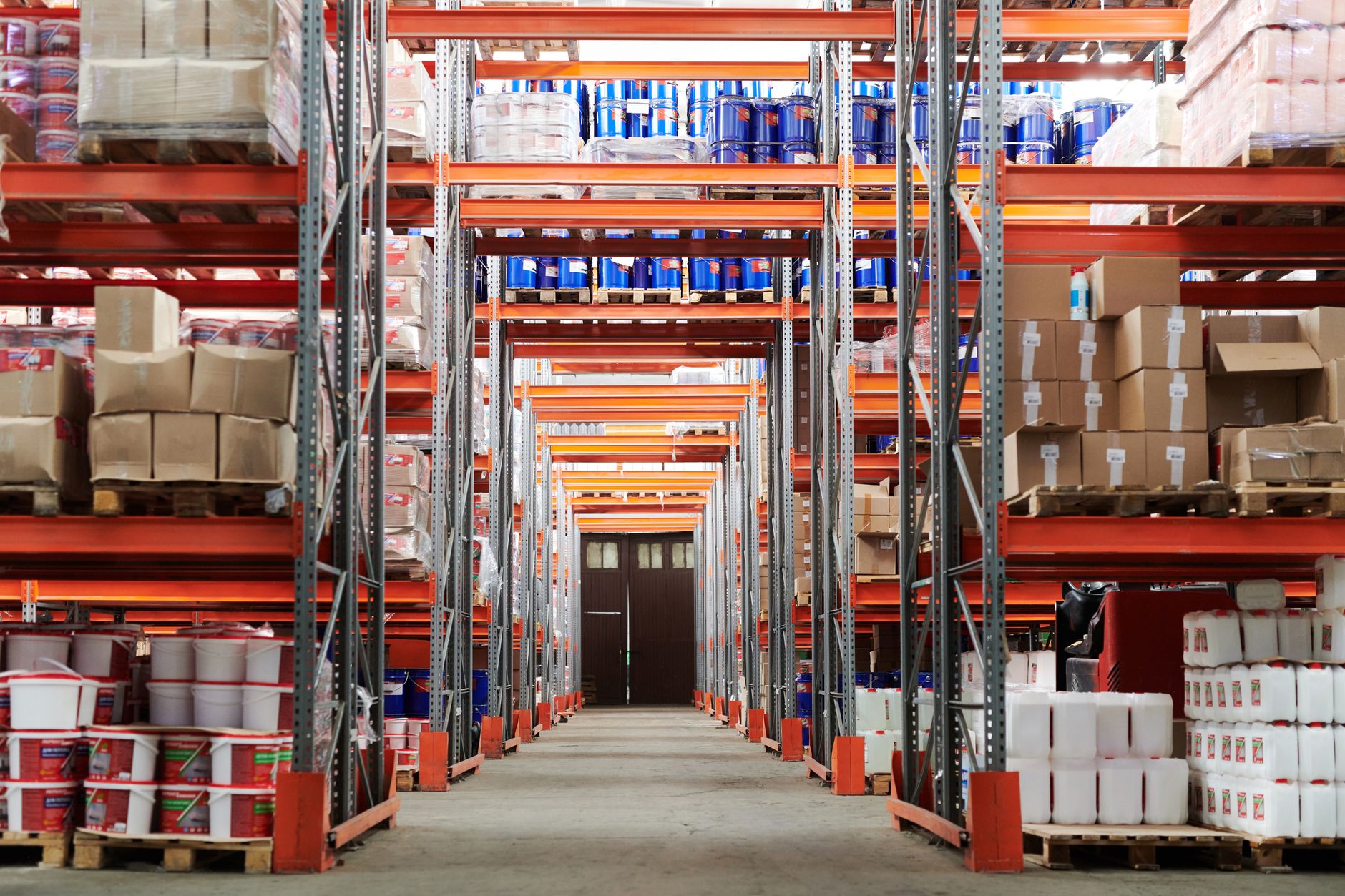
The obvious response is to stop shipping parcels and start shipping pallets. Bulk freight arrives at a US port, clears customs as a formal entry, and gets distributed from domestic fulfillment centers. Duty is still owed, but it is calculated on the declared value of a large consignment rather than assessed order by order, and the per-item handling cost drops sharply. A sock priced at a few dollars does not survive a flat per-parcel charge. It has a better chance when it travels inside a container with thousands of identical socks.
Temu has been pushing this direction visibly. Its “local warehouse” listings, which show items already sitting in the US, became far more prominent in the app as direct-from-China shipping got more expensive. The company’s semi-managed approach, in which it takes more control over logistics and pricing from sellers, makes it easier to ask merchants to pre-position stock. Shein has been moving along a similar path, encouraging more domestic fulfillment and reportedly working to broaden the set of countries its suppliers operate in, so that fewer products carry a China-specific tariff burden.
But warehouses carry a risk that parcels never did. Shein’s reputation rests on producing tiny batches of a style, watching how it sells, and only then scaling up production. That system works because very little inventory exists before demand is proven. Stocking a US warehouse means guessing in advance which items will sell, and a wrong guess leaves unsold goods sitting in a building that charges rent. The test-and-repeat engine that made fast fashion cheaper to run now has to coexist with the oldest problem in retail: dead stock.
The trade-off is not all negative. A package that ships from a domestic warehouse can arrive in days instead of weeks, and returns become less painful, because the item does not have to travel back across an ocean or be written off. That puts both companies in closer competition with Amazon on delivery speed, a category where long transit times had been the main complaint. Fewer individual cross-border parcels also reduces exposure to the customs scrutiny and political attention that parcel volumes drew, including lawmakers’ questions about product safety and forced-labor compliance.
Then there is the matter of where goods are made. Moving production to Vietnam, Turkey, or elsewhere can lower exposure to China-specific tariffs, but it is not a clean exit. Factories take time to qualify, quality control gets harder when you add new suppliers, and customs authorities pay close attention to goods that are merely routed through a third country rather than genuinely made there. Meanwhile, tariffs on other countries have been shifting too, so a sourcing plan built around one rate can look wrong a few months later. The companies are not solving a single problem. They are managing a moving target across product categories, origins, and shipping routes.
What Shoppers Are Left Paying
Consumers are already seeing the effects. Prices on both platforms have crept up, minimum-order incentives have changed, and the rock-bottom impulse purchase that cost less than a coffee is harder to find. The cheapest items in each catalog were always the ones most dependent on duty-free shipping, because a small fixed cost per parcel matters most when the product itself costs almost nothing.

That leaves an uncomfortable question for both brands. Their pitch was never just selection; it was a price that American retailers could not match, partly because they played by different cost rules. If a Shein dress now sits in a US warehouse, pays duty like any other import, and ships in two days, what exactly separates it from a listing on Amazon?