




Caterpillar built its reputation on yellow machines that move dirt. Some of its most important growth now comes from machines that make electricity.
The company’s construction business is sensitive to interest rates, housing starts, and the mood of equipment dealers, and it has been uneven as borrowing costs weigh on projects that once pencilled out easily. Normally that would put a heavy drag on a manufacturer so closely tied to the building cycle. But Caterpillar also sells engines, generator sets, and gas turbines, and demand for those products has been climbing alongside the buildout of data centers.
The result is a company running two different economies under one logo. One is a cyclical business tied to roads, homes, and job sites. The other is tied to the electricity appetite of server farms training and running AI models, and for now the second is covering for the first.
Why a Data Center Needs a Caterpillar
A data center cannot afford to lose power, even for a few seconds. That requirement is why backup generation is built into nearly every facility, and large diesel generator sets have long been a standard part of the design. Caterpillar is one of the best-known names in that category, so every new campus that breaks ground creates potential demand for its products before a single server is switched on. What has changed is the scale of the facilities and the role the generators play. Newer campuses draw enormous amounts of electricity, and the equipment protecting them has grown in number and in size.
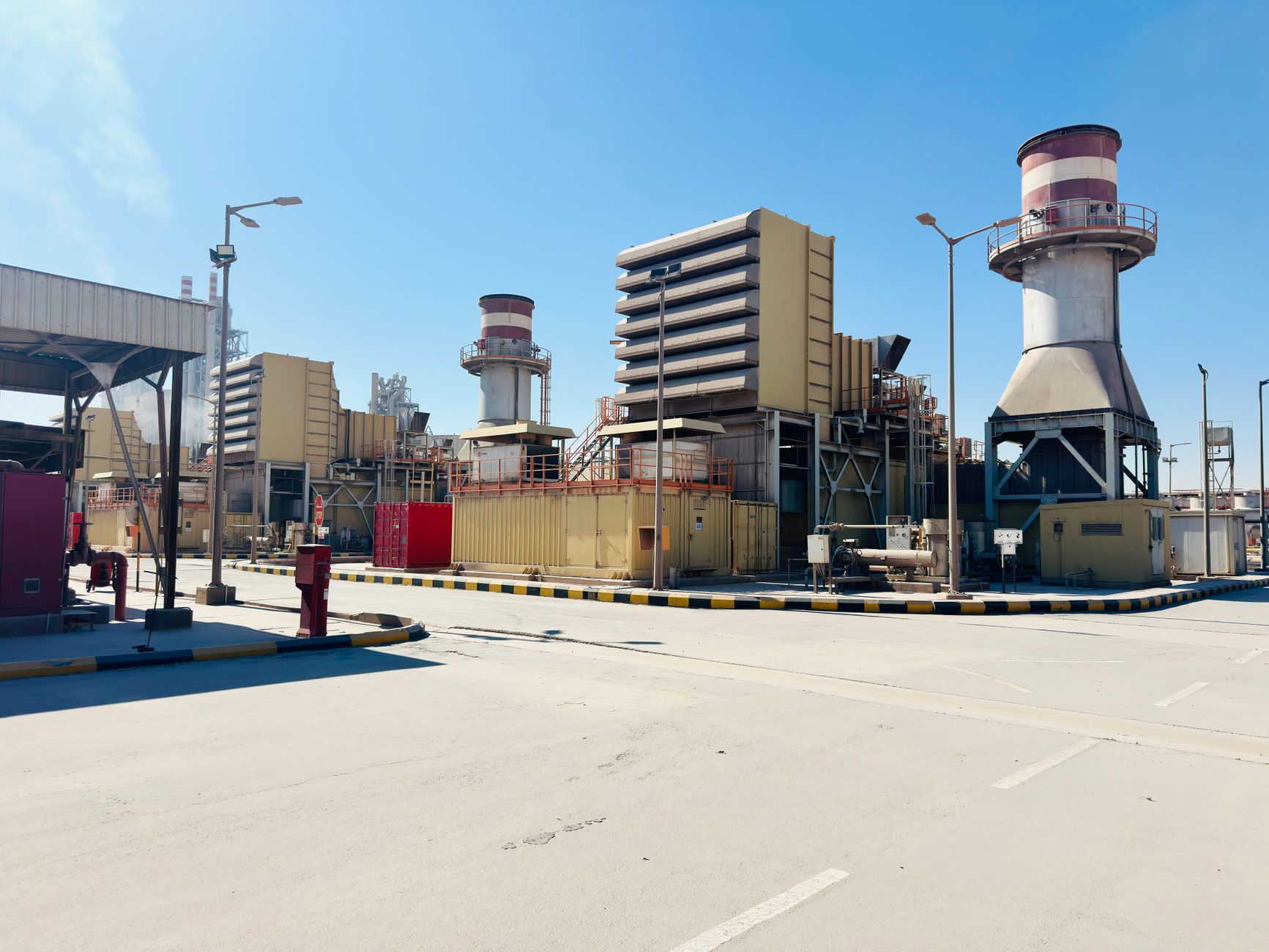
The bigger opportunity is in primary power rather than backup. Connecting a large new facility to the grid can take years, because utilities have to study the load, build transmission, and wait on equipment of their own. Developers who cannot afford that wait are looking at onsite generation as a bridge or even a permanent solution. Natural gas turbines and reciprocating engines fit that need, and Caterpillar sells both, with its Solar Turbines unit covering the turbine side. A customer who once bought a generator as insurance is now shopping for a power plant.
That shift matters for the economics too. Insurance equipment sits idle most of the year, while prime power equipment runs constantly and wears out parts, which feeds a steady stream of service work and replacement components. Aftermarket revenue tends to be steadier and more profitable than a one-time machine sale. It is the kind of income that investors prize because it does not vanish when a contractor delays a project.
The Construction Side Is Not Collapsing, Just Cooling
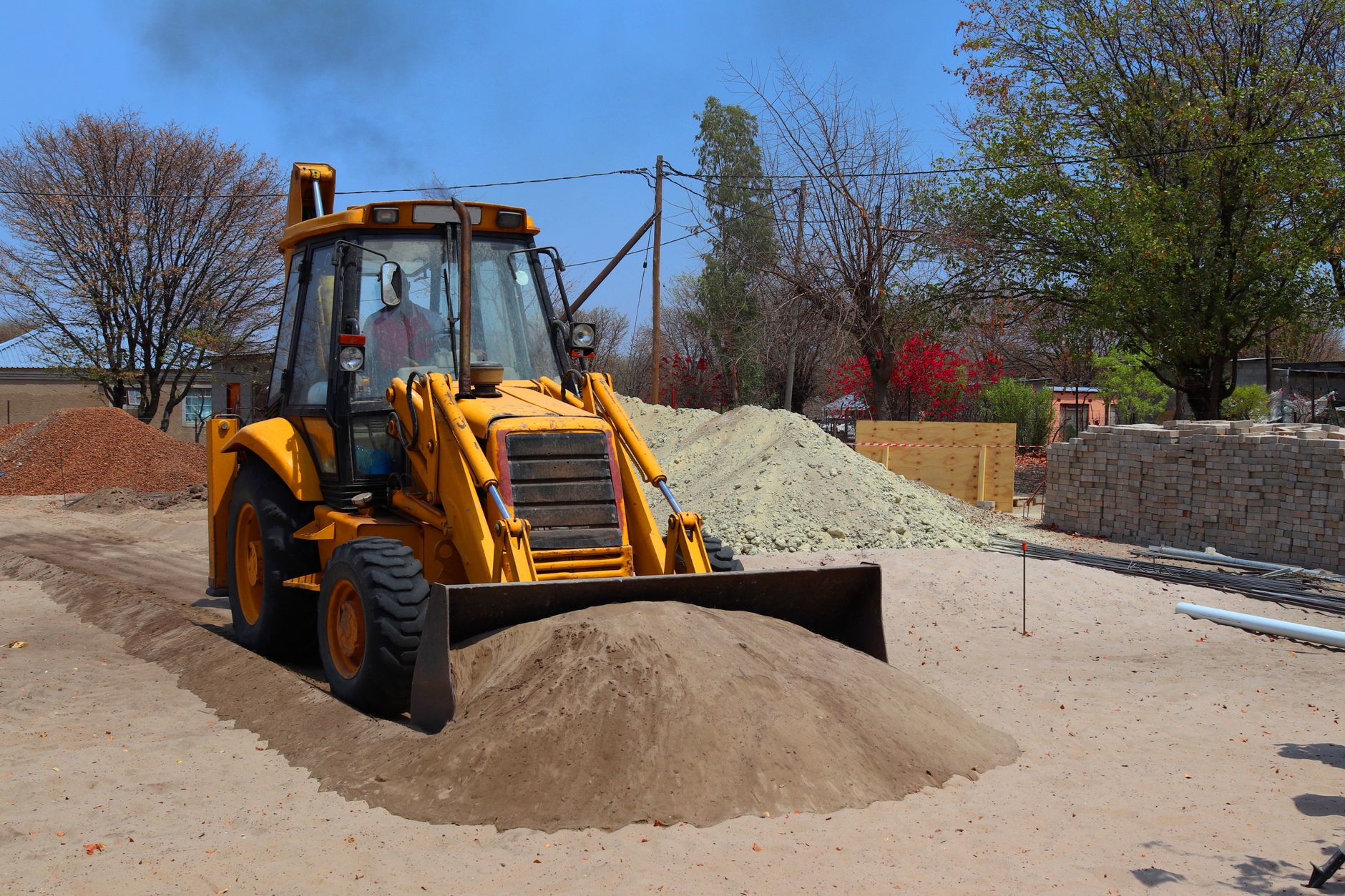
It would be easy to overstate the story and cast construction as a business in trouble. It is not. Demand for excavators, loaders, and dozers rises and falls in long waves, and a slowdown after a strong stretch is part of the normal rhythm. Dealers who stocked up when supply was tight have been working down inventory, which means fewer new orders flow back to the factory even when end customers are still active. Infrastructure spending and mining activity provide support in some regions, while housing and commercial building remain sensitive to financing costs. The weakness is real but uneven, and it varies by product line and geography.
What makes the data center business useful to Caterpillar is the timing. The two sets of customers respond to different forces. A homebuilder worries about mortgage rates, while a hyperscale operator worries about how fast it can get megawatts online. When one group pulls back, the other can still be placing orders, and that offset smooths out results that would otherwise swing with the construction calendar. Data center construction also pulls in some machinery demand of its own, since these campuses need sitework, trenching, and heavy lifting before the power equipment arrives.
The offset has limits, though. Power equipment is a long-lead product, and its growth depends on factory capacity, supply chains, and skilled labor, not only on demand. A company can have more orders than it can build, and expanding output takes capital and patience. Tariffs and steel costs add another layer of uncertainty to what it costs to make these machines. Caterpillar can sell every engine it makes, but that does not guarantee every engine is profitable at the price it was quoted a year earlier.
The real test comes if AI spending slows before construction recovers, because then Caterpillar would be left with two soft markets and a lot of new power capacity built for customers who stopped buying.